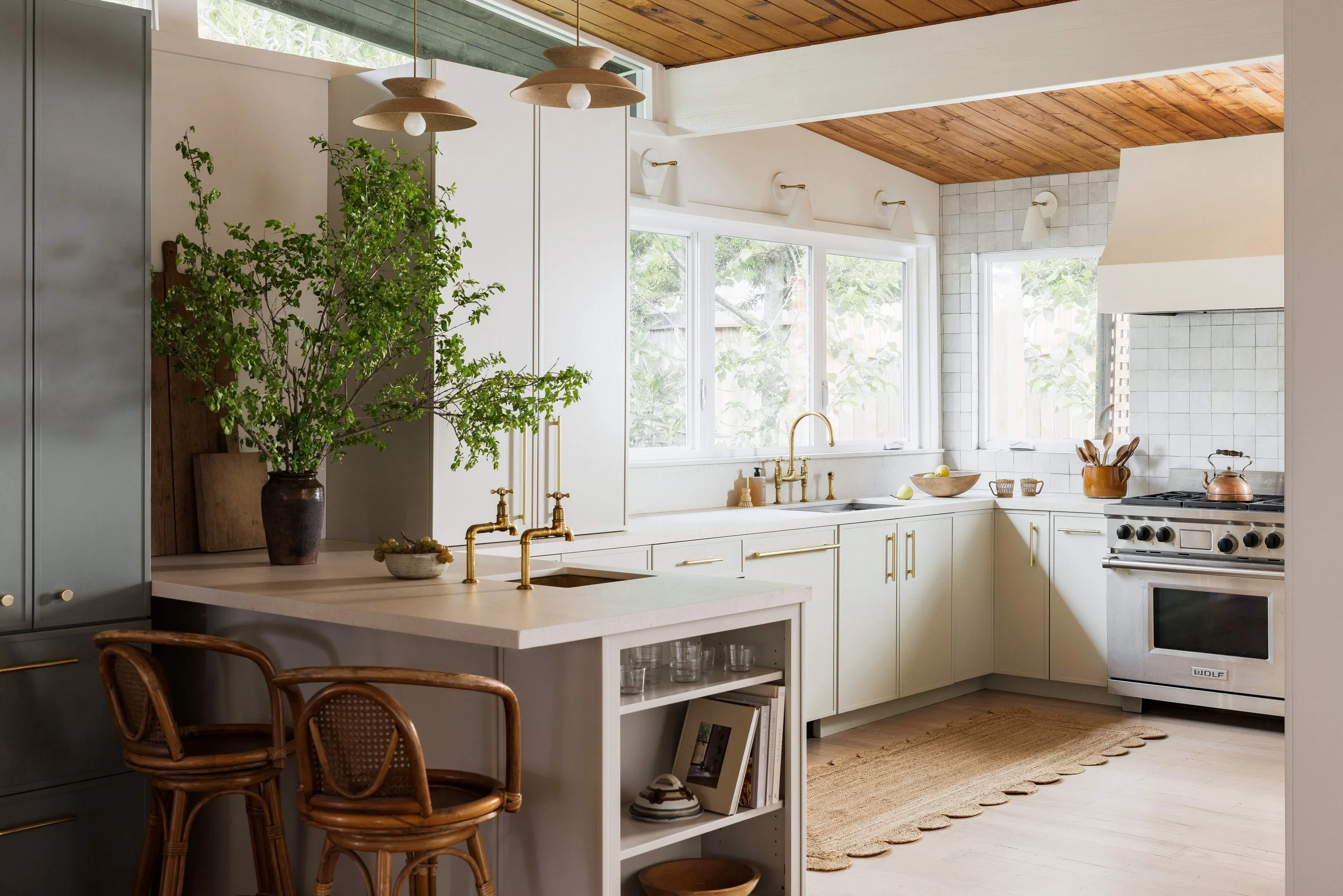
Marin County Craftsman
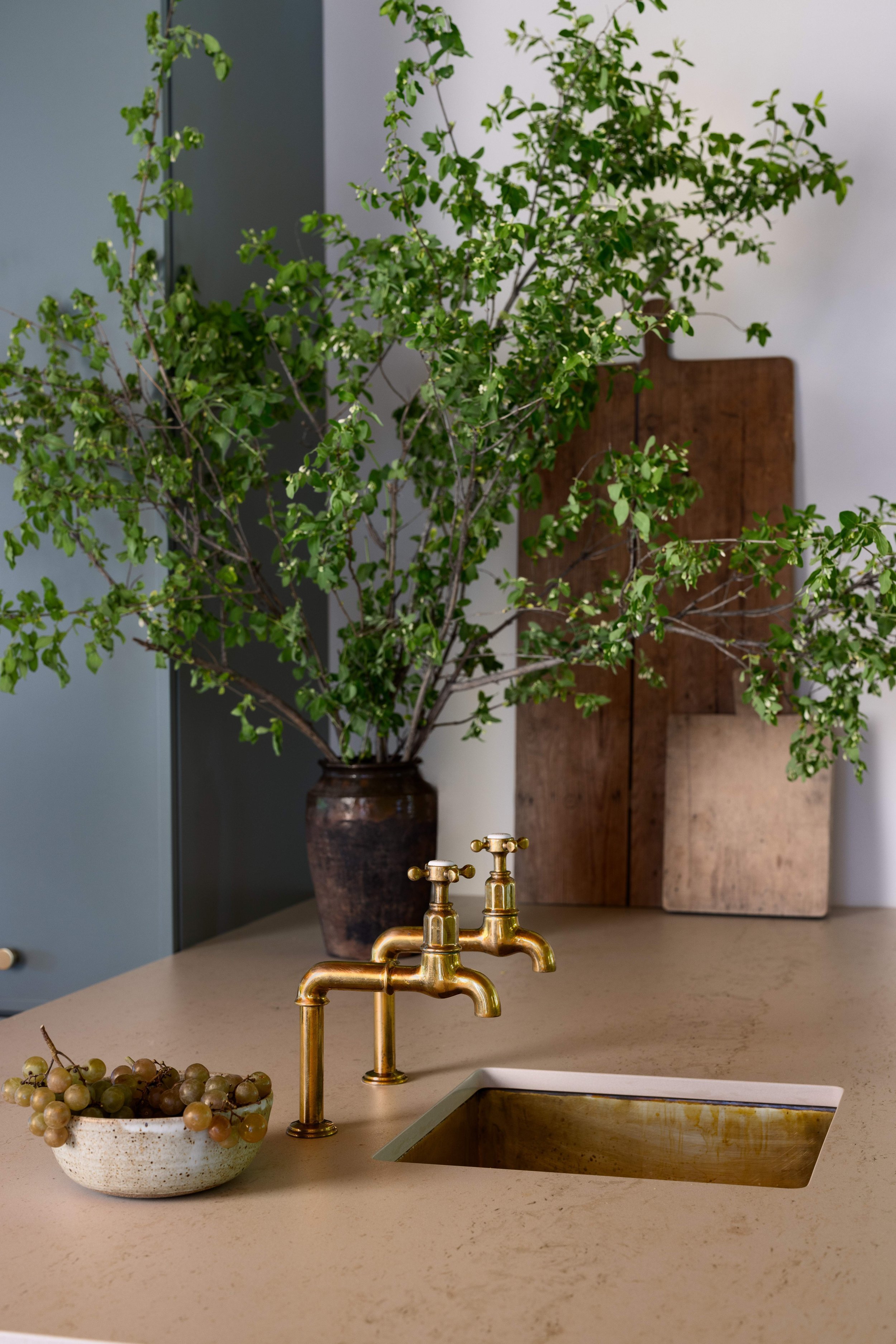
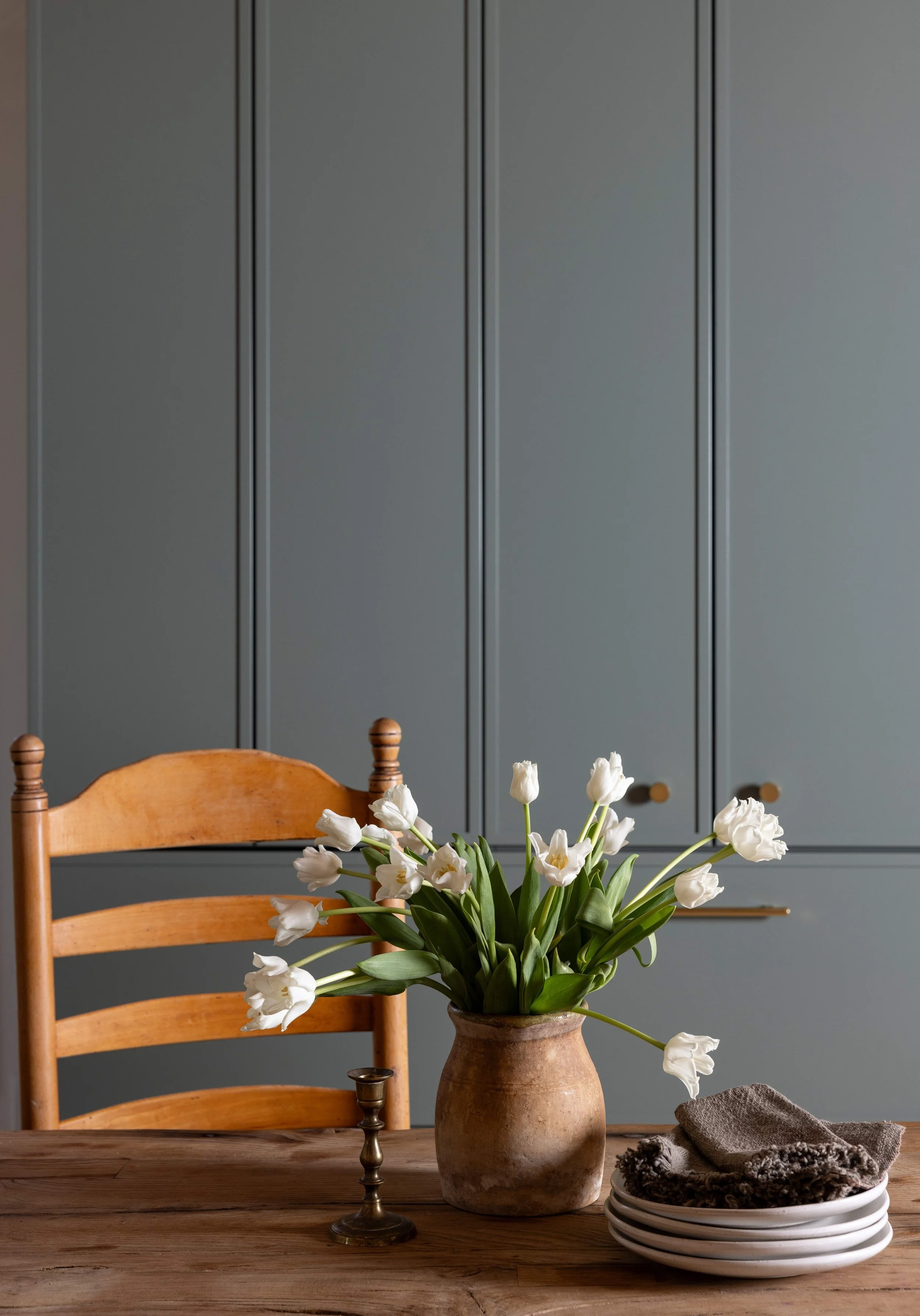
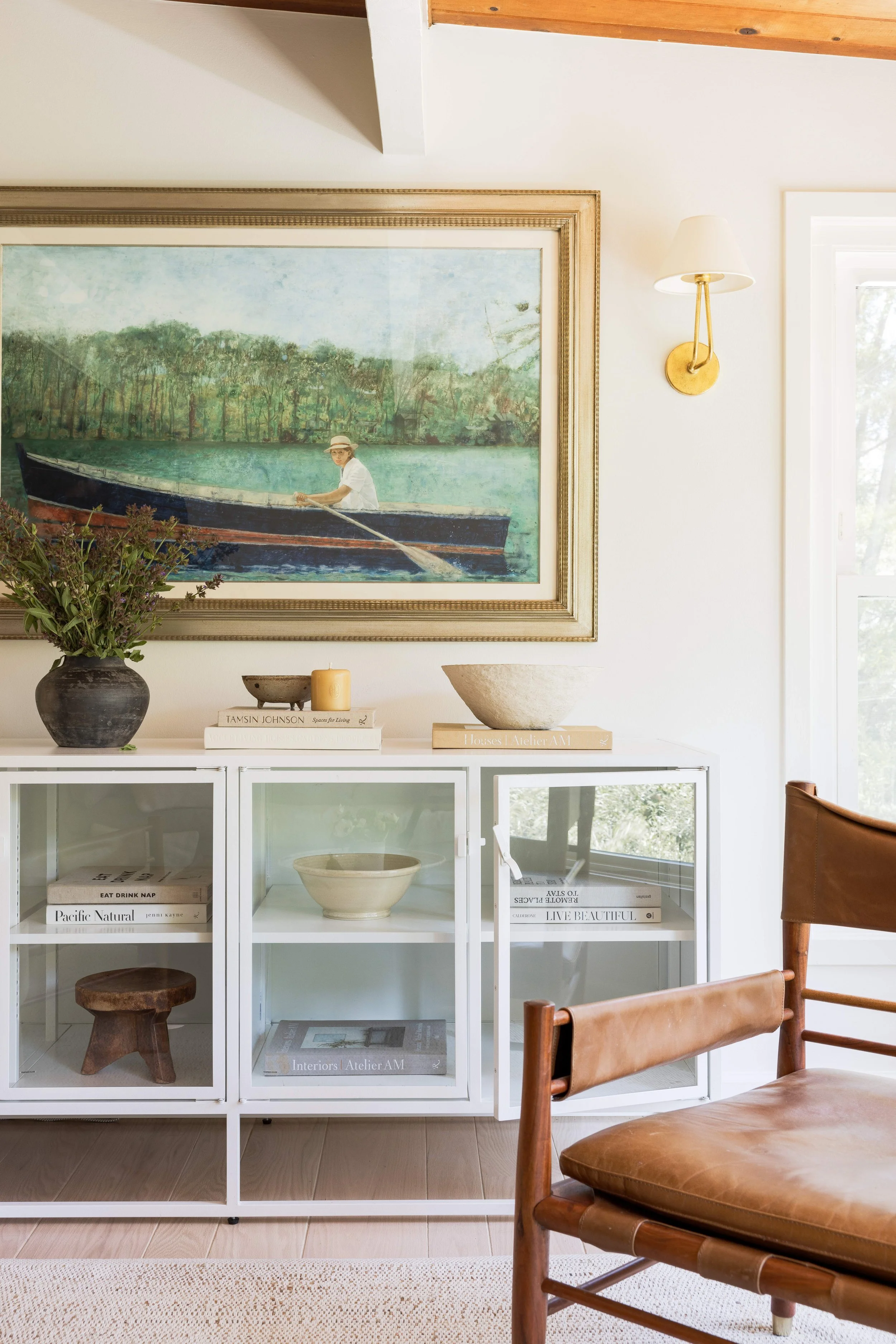
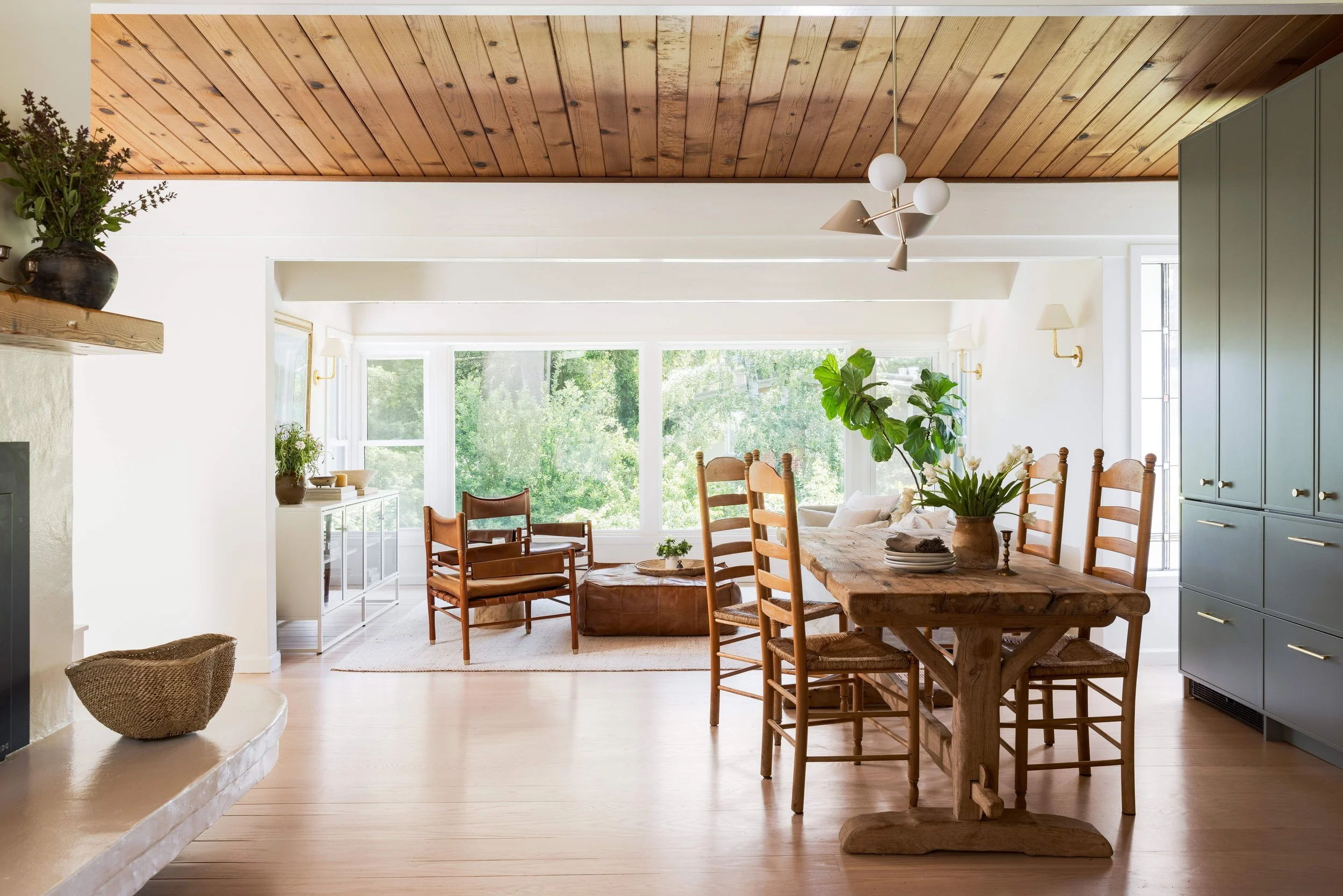
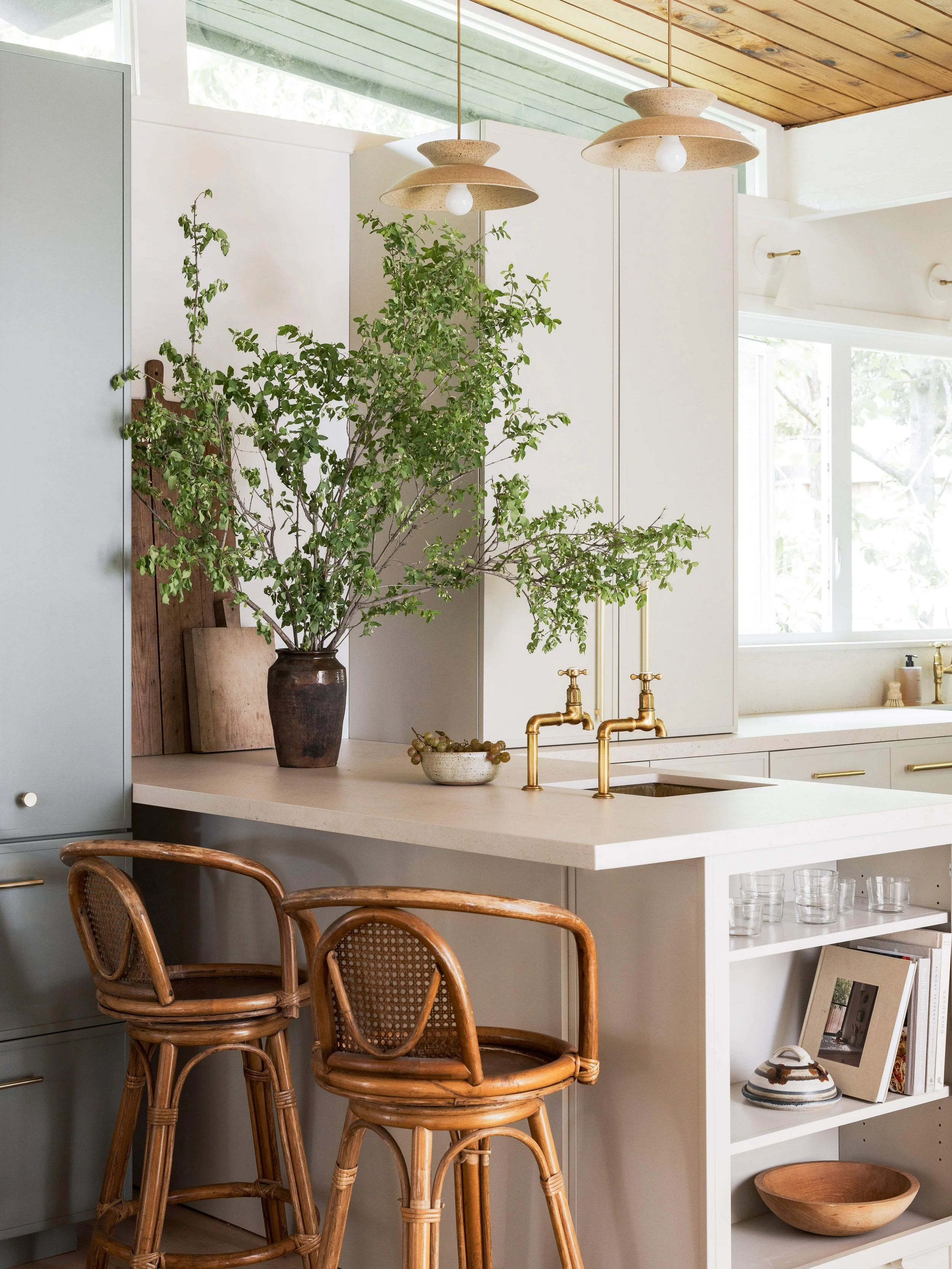
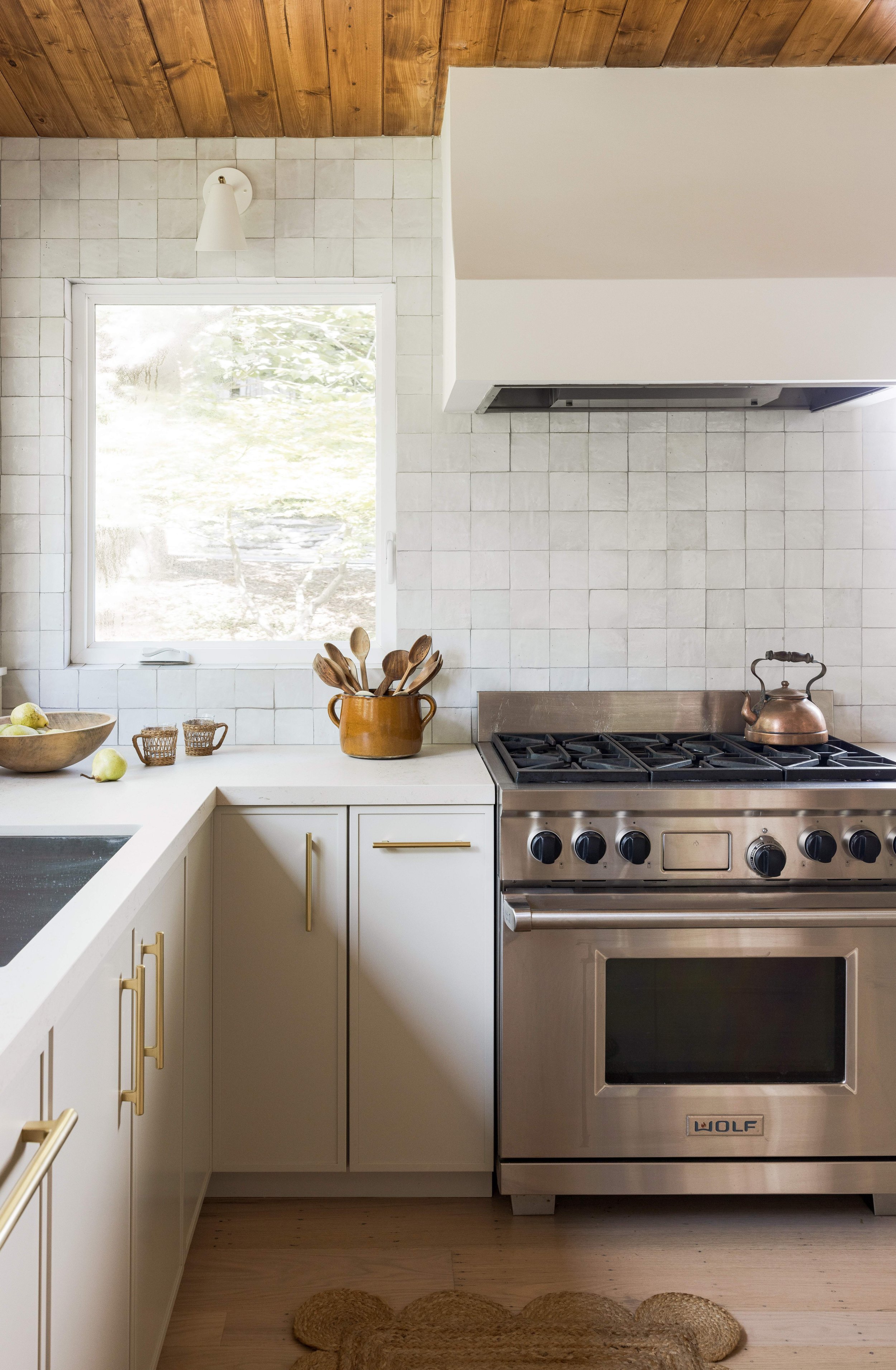
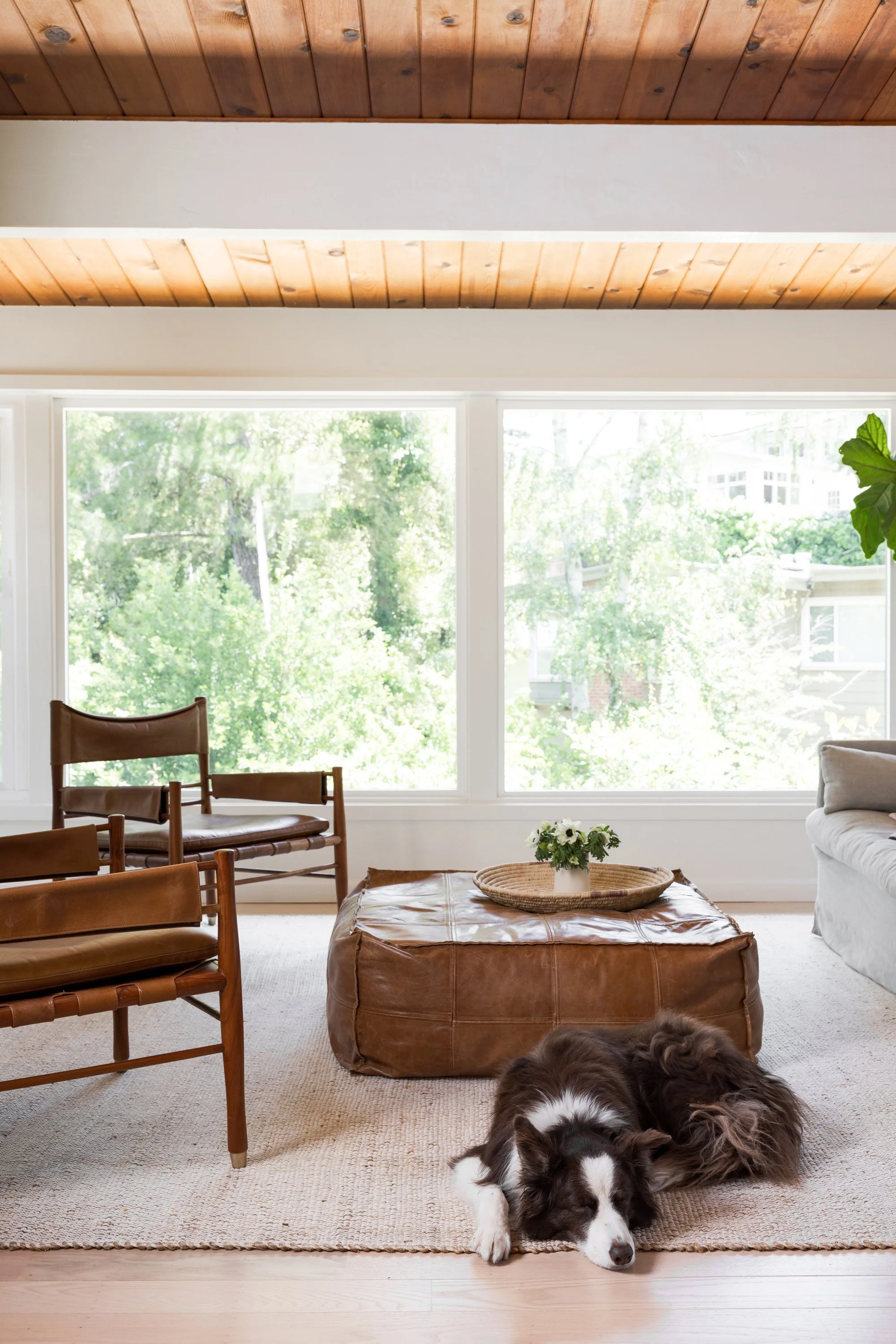
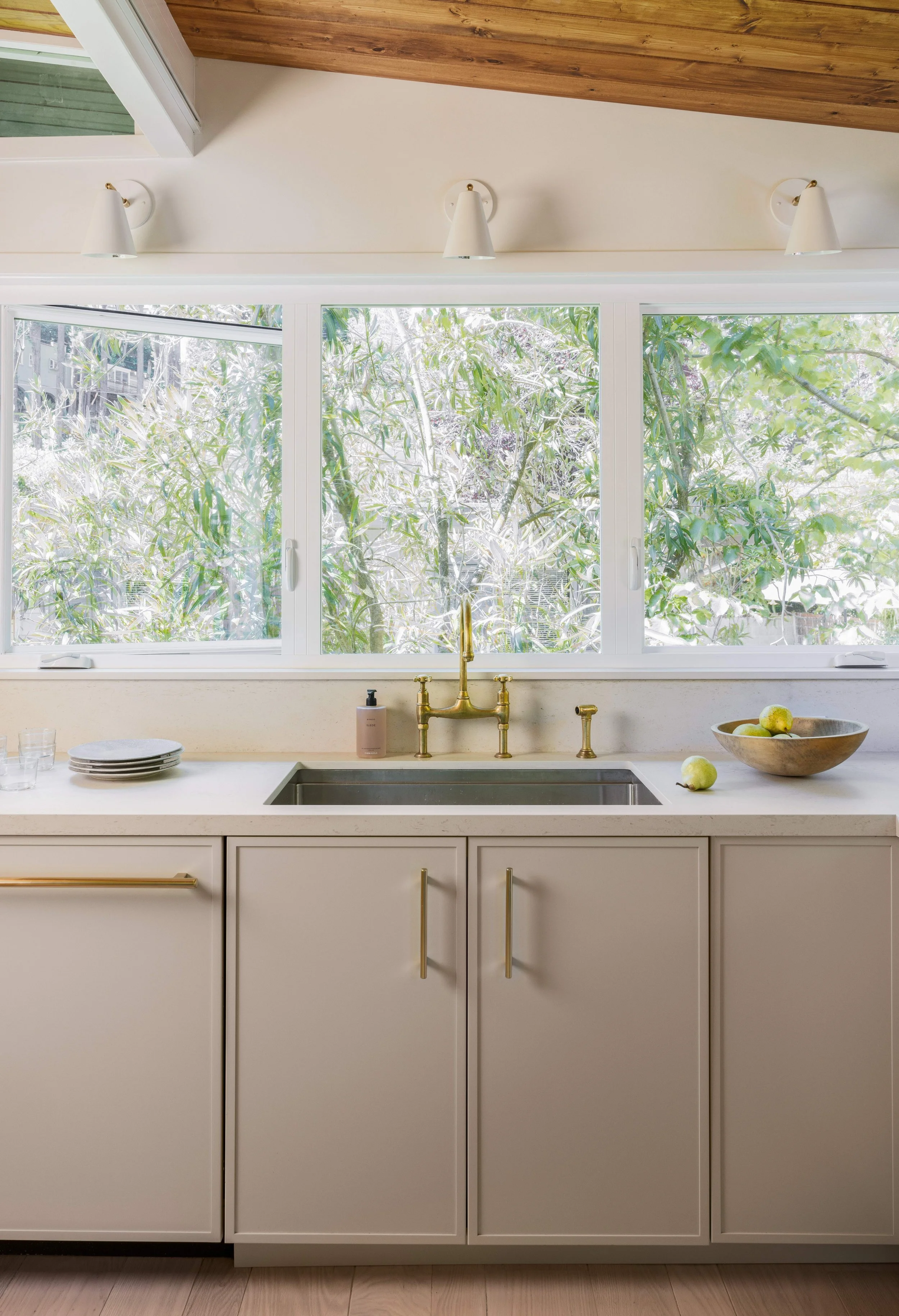
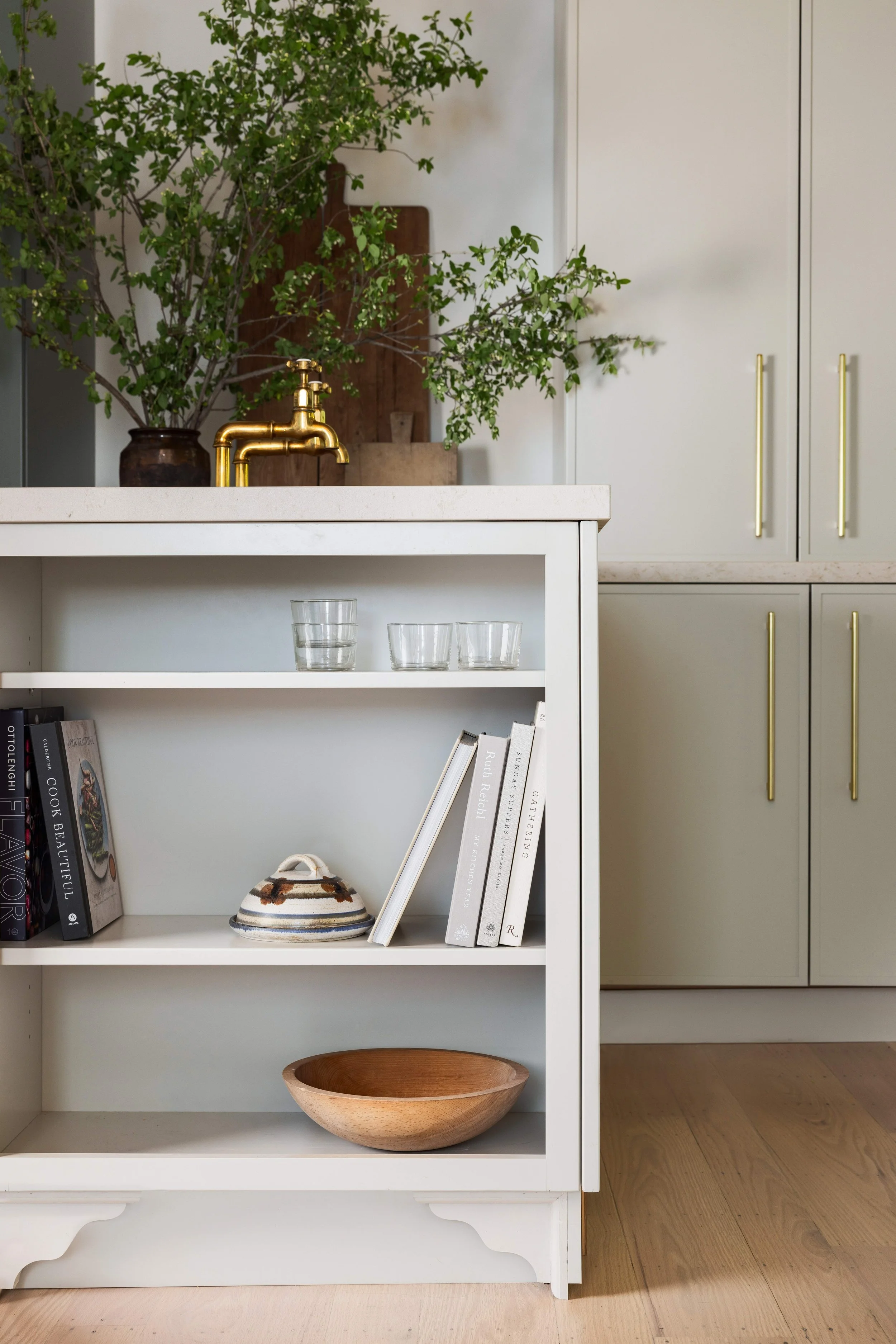
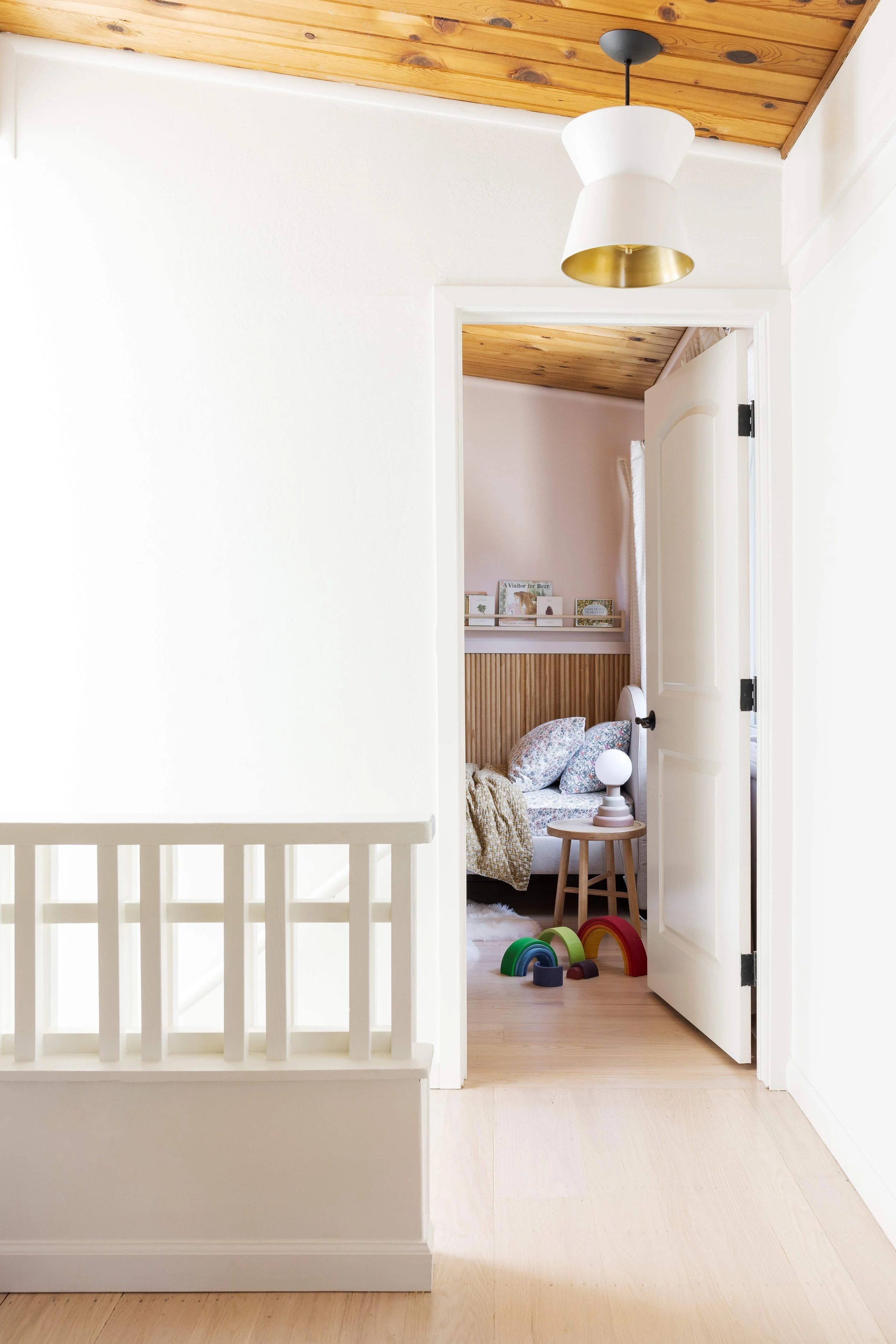
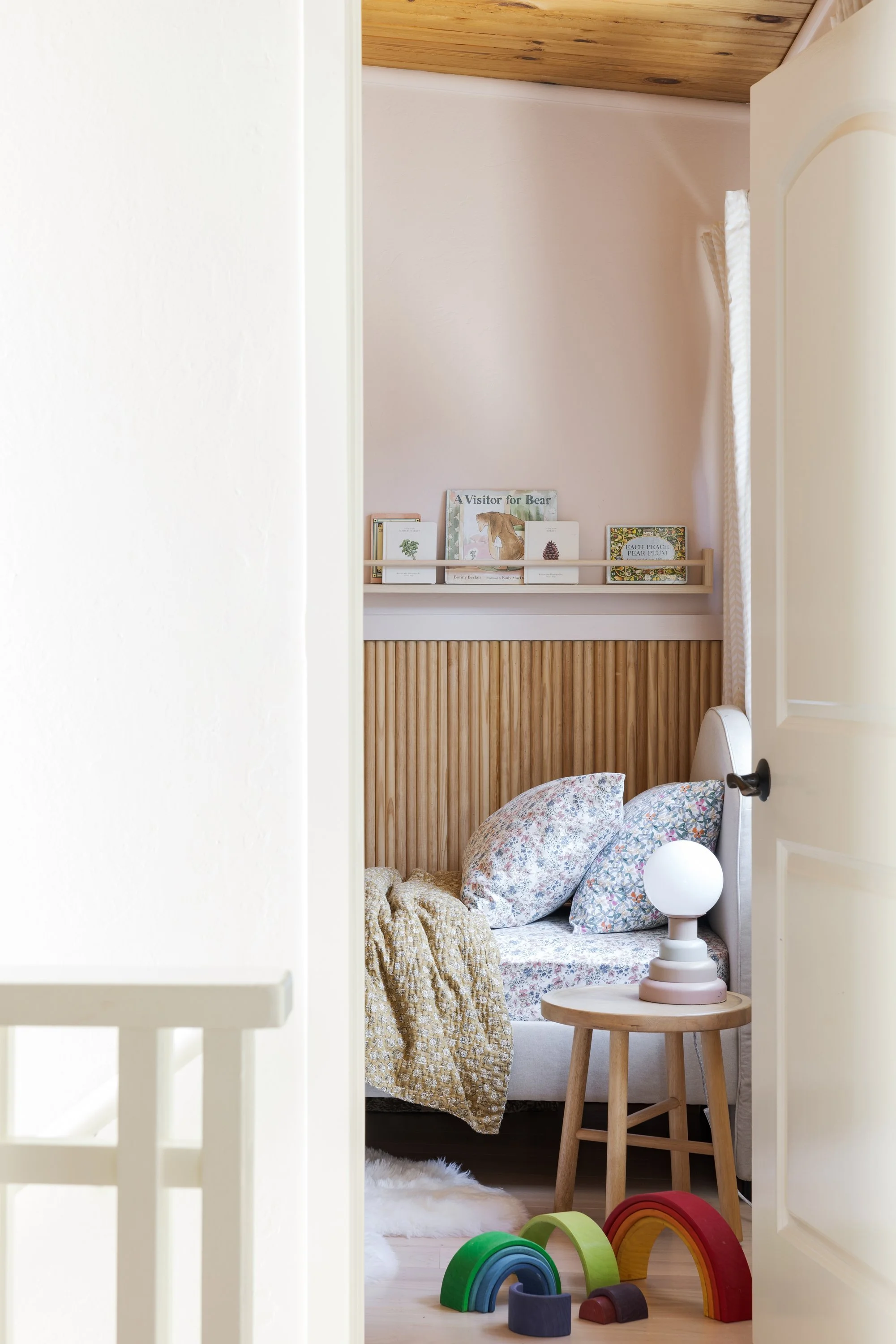
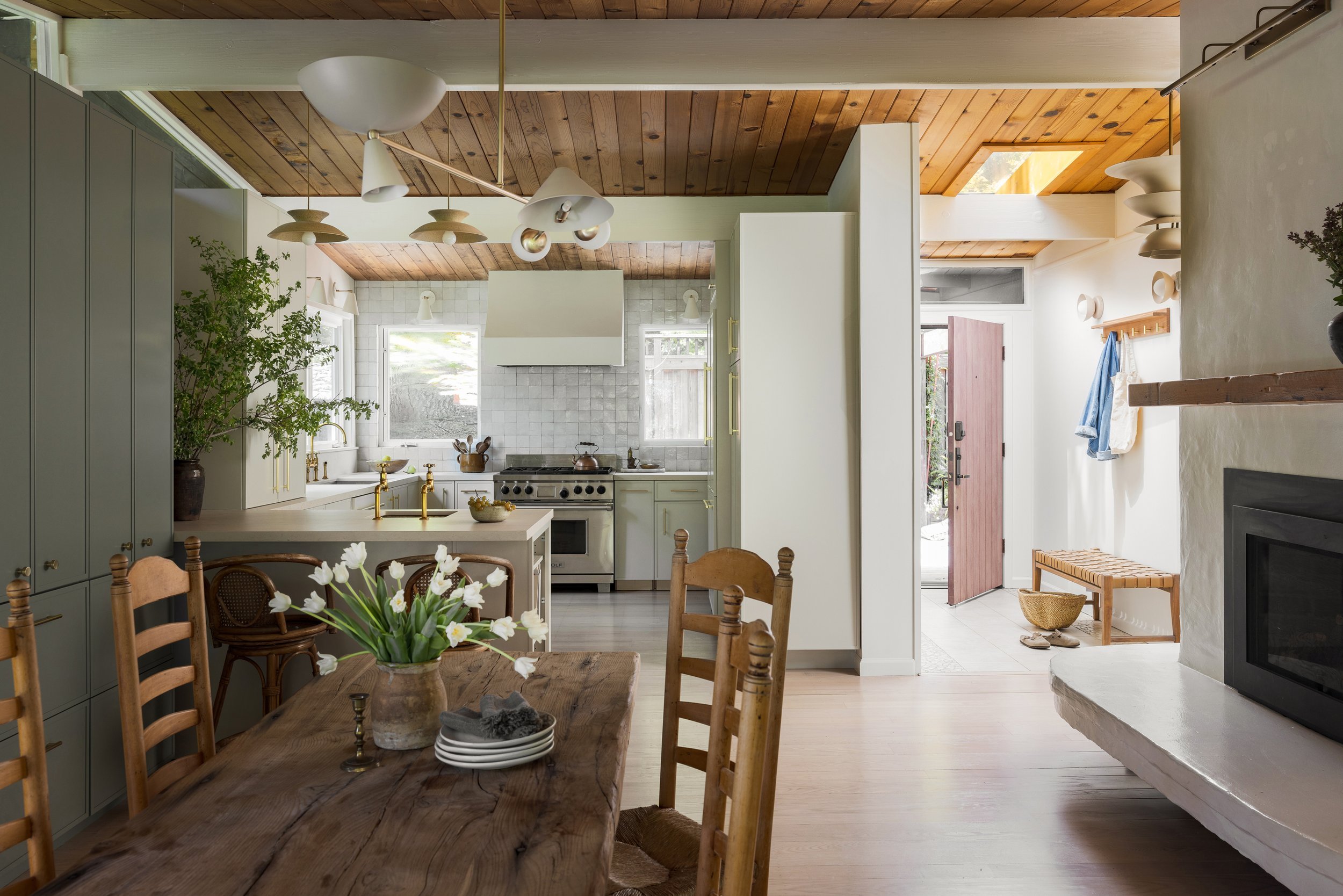
This 1959 hillside Craftsman is nestled among redwoods, eucalyptus trees, and views of the Bay, accessed by winding roads. The top floor was redesigned to reinforce the connection between the home and the natural surroundings. The original stained-glass window and wood-paneled vaulted ceiling were preserved to honor the home’s architectural integrity. In the kitchen, we designed custom pine cabinetry in a palette that references both the coastal fog and the surrounding foliage. Panel-ready appliances maintain the visual cohesion and let the forest views take center stage.
DESIGN ELEMENTS

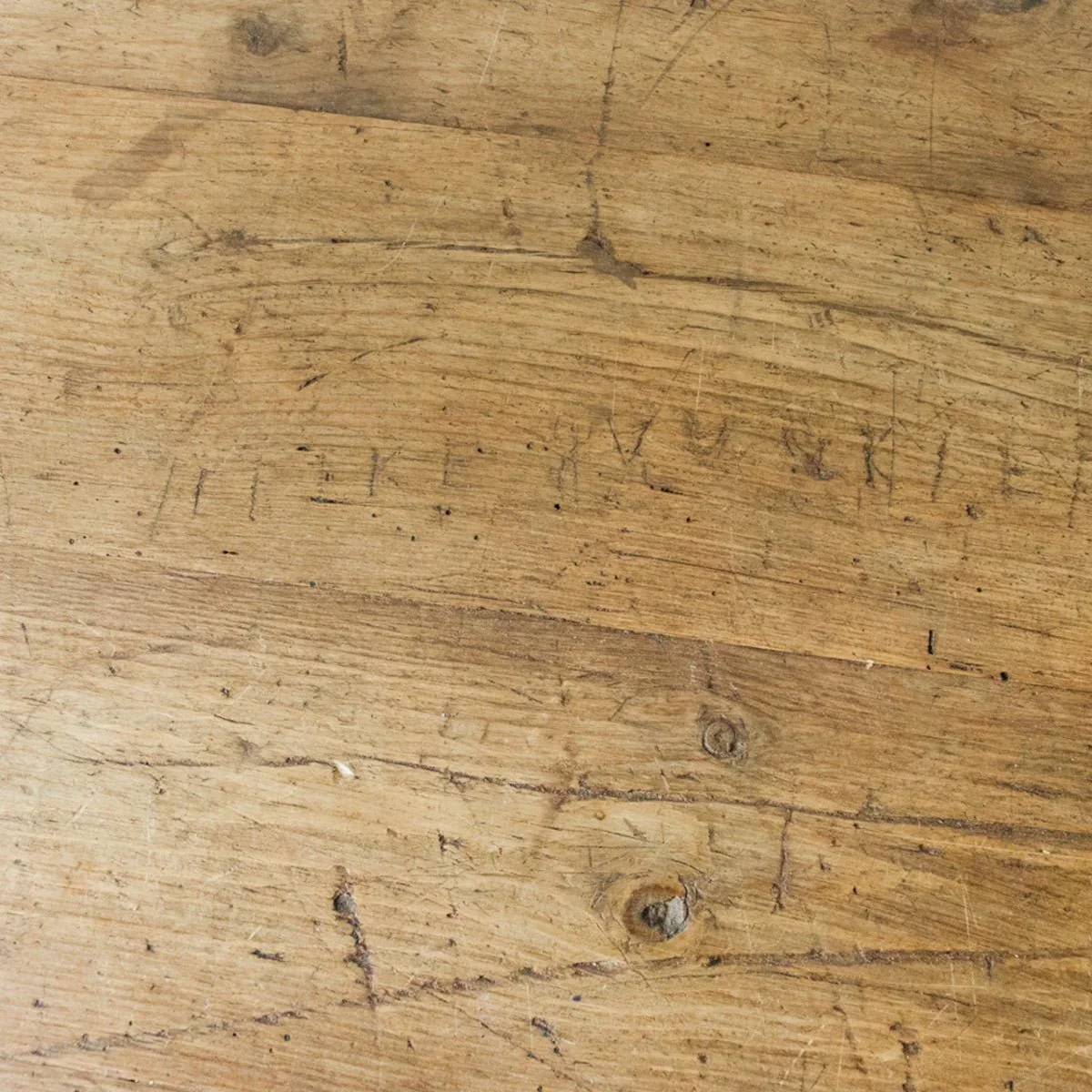
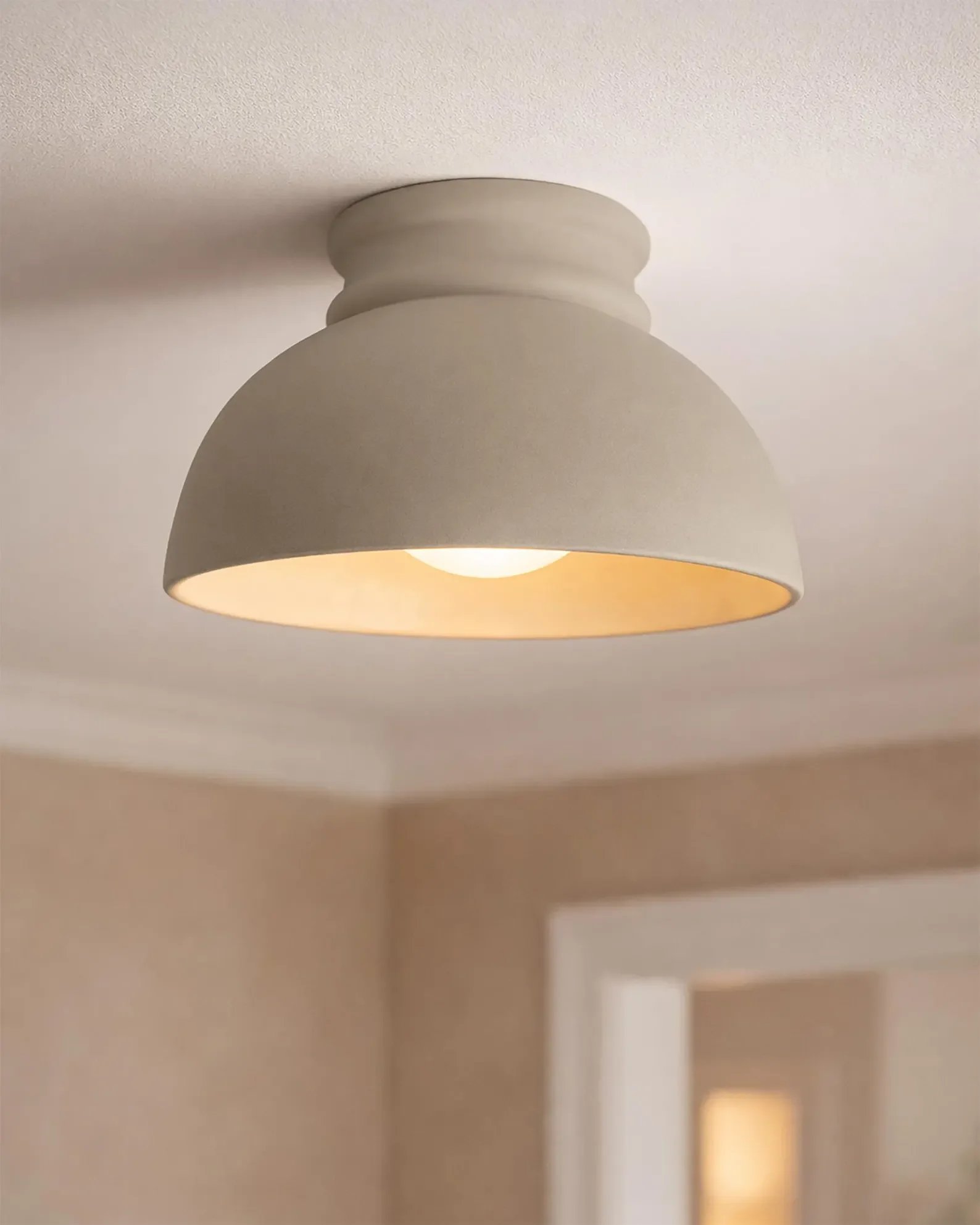
In homes influenced by early- to mid-20th-century Craftsman and California regional architecture, there is traditionally a strong dialogue between architecture and landscape — often referred to as site-responsive interiors, or spaces that visually and materially extend the surrounding environment rather than competing with it. Cohesion begins with preserving natural material expressions such as wood ceilings, stained or leaded glass, and structural detailing that filters or frames light. From there, visual harmony is built through tonal restraint and material continuity, with cabinetry, millwork, and large surfaces echoing the ambient palette of the landscape — coastal haze, tree canopy depth, and earth tones — rather than introducing high contrast. Rooted in Arts and Crafts philosophy and later West Coast modernism, this approach prioritizes craftsmanship, material honesty, and environmental harmony. The goal is not minimalism, but environmental continuity: interiors that feel inseparable from the landscape and allow architecture, light, and nature to remain the primary design drivers.

STYLING NOTES







Have fun with us on ig